A company needs continuity to work with AI
Business tasks span waiting periods, people and tools. Continuity makes it possible to resume progress and see what remains to be done without rebuilding the…
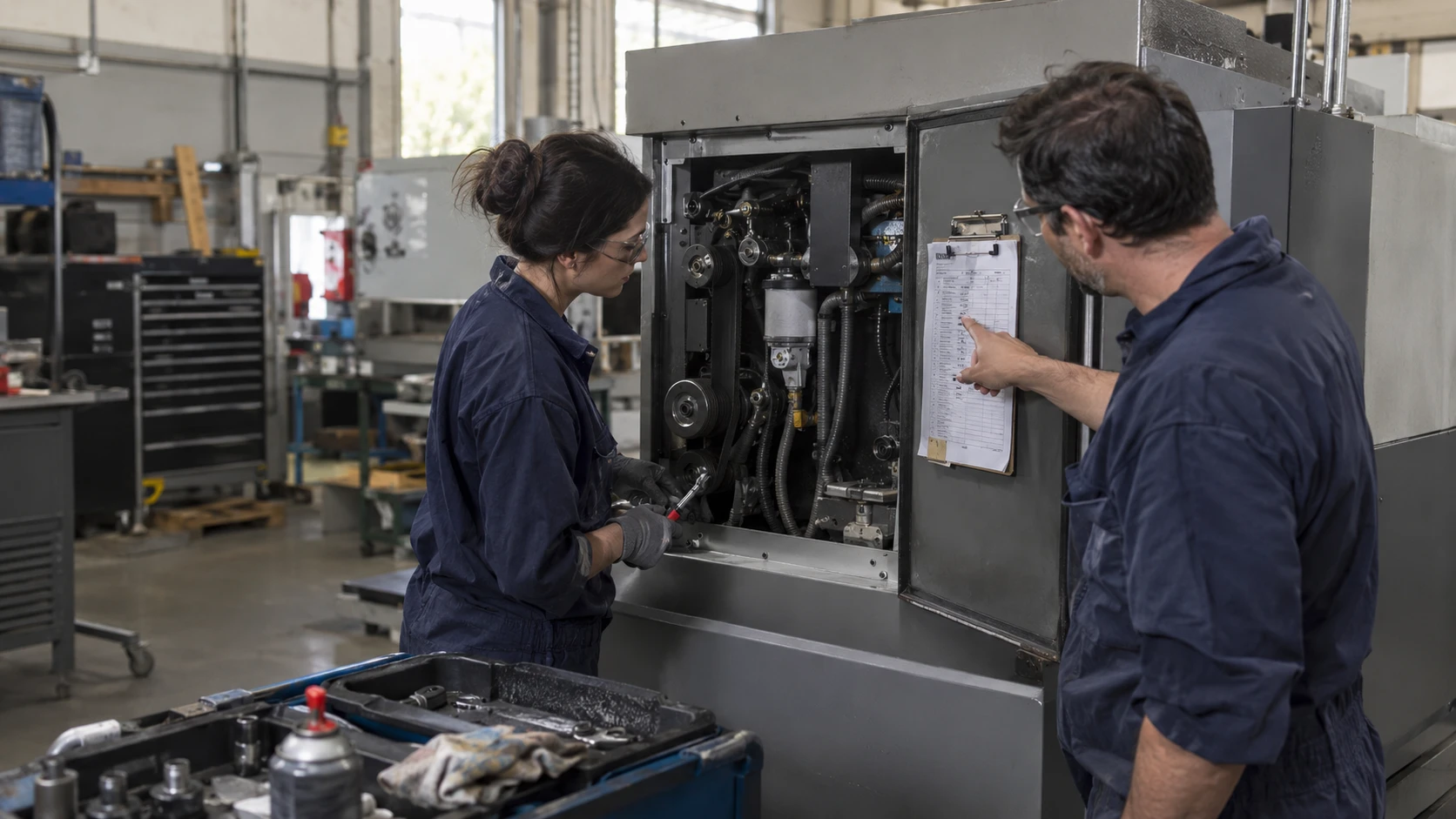
A team starts a review on Tuesday. One item is still pending on Thursday. When the replacement part arrives, someone else takes over. Much of a company’s work follows this rhythm: progress, waiting and changes in who is involved.
An AI that helps only during a single conversation can lose much of its usefulness in between. When the task resumes, the company needs to recognize where it stopped and continue from there.
Work has a state of its own
A maintenance job may include verified measurements, a likely cause and a part that still needs replacing. A summary saying “we are reviewing the equipment” preserves the topic but loses almost everything needed to move forward.
Useful information includes the goal, what has been resolved, open questions and responsibilities. With that foundation, someone who was not involved at the start can understand why the task stopped and what is needed to resume it.
It also prevents a common confusion: describing a decision as if it had already been carried out. An approved repair may still be waiting for a replacement part or for the equipment to be shut down.
Resuming work also means reviewing it
A week of waiting can change the situation. Another fault appears, a new measurement arrives or the company changes its priorities. Continuing requires checking what was retained against what is happening now.
If the diagnosis changes, the intervention may need to be reviewed. If the need has disappeared, it may make sense to close the task. And if another shift has already replaced the part, the assistant should recognize that before suggesting it again.
Process memory explores part of this challenge. Work such as LongMemEval-V2 helps examine how agents track states and use experience in work environments. In a company, that capability also needs to fit its people, tools and timelines.
A test when responsibility changes hands
I would ask another person to resume the review without reading the entire history. They should be able to find the accepted data, the alternatives, the reason for the wait and the next step. If they have to ask everything again, continuity still depends on the people who were there at the beginning.
The same test applies when changing tools. What matters is how long it takes to resume, how many requests have to be repeated and how many conditions are lost along the way.
Preserving every sentence is rarely necessary. A summary that distinguishes what has been decided from what is pending, linked to its documents, usually makes it easier to continue than a long, unstructured history.
Productivity includes the time between sessions
Many demonstrations measure how long AI takes to draft a report. I would also look at how much work is left to review it and how costly it is to recover the task after an interruption.
Ongoing assistance reduces that effort. It lets the team focus on the issue still to be resolved, with clarity about who needs to act and what information they need.
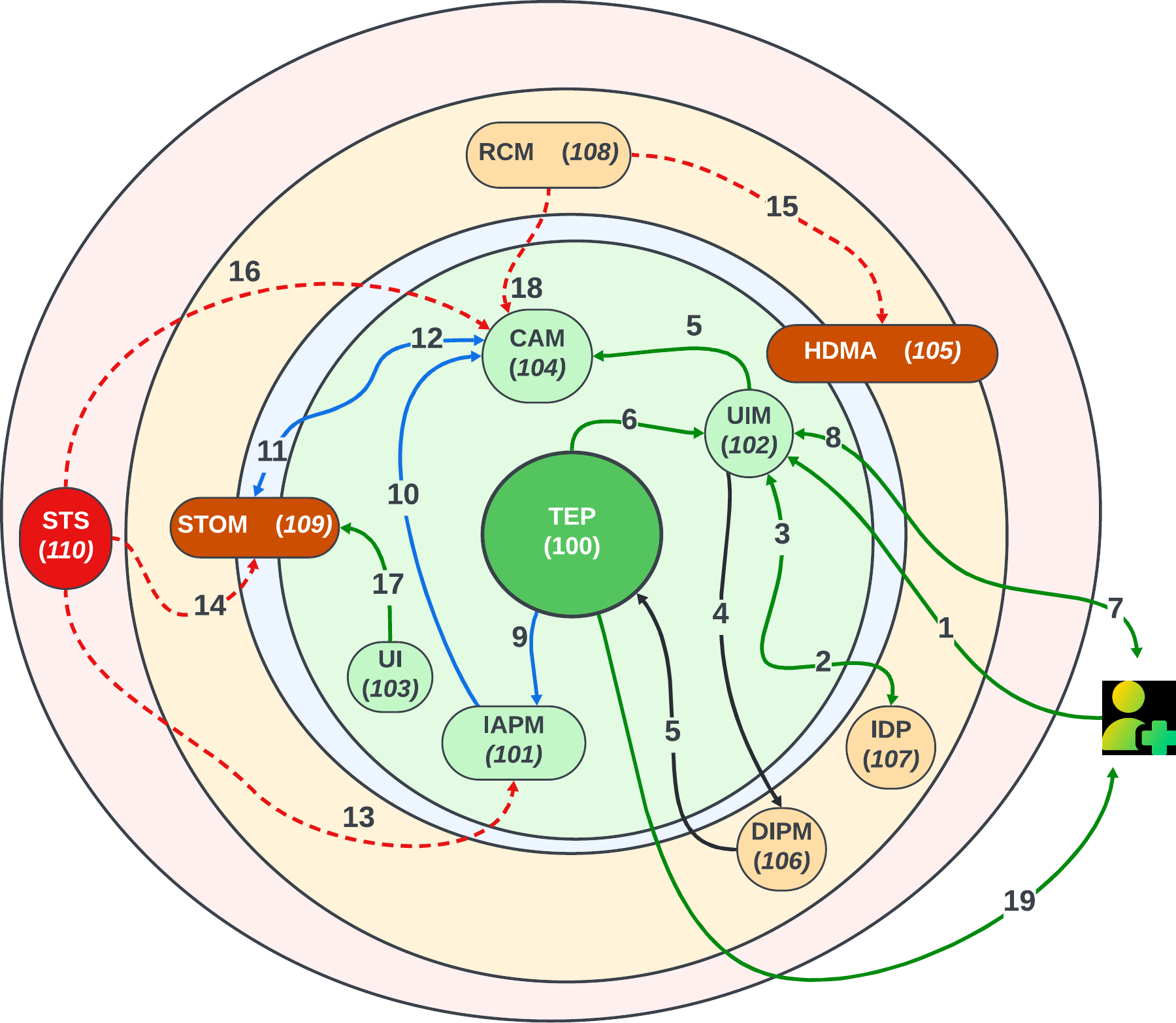
Continuity is part of the usefulness I seek in TheryOS. You can see it when you return to a task and move forward from what has already been accomplished, even if the person handling it has changed.
Related reading
References
Alejandro Díaz
Founder of TheryOS, business owner and entrepreneur in the energy and financial sectors.