Context is not memory: why business AI needs an authorized reality
An assistant may remember an approval that is no longer valid.
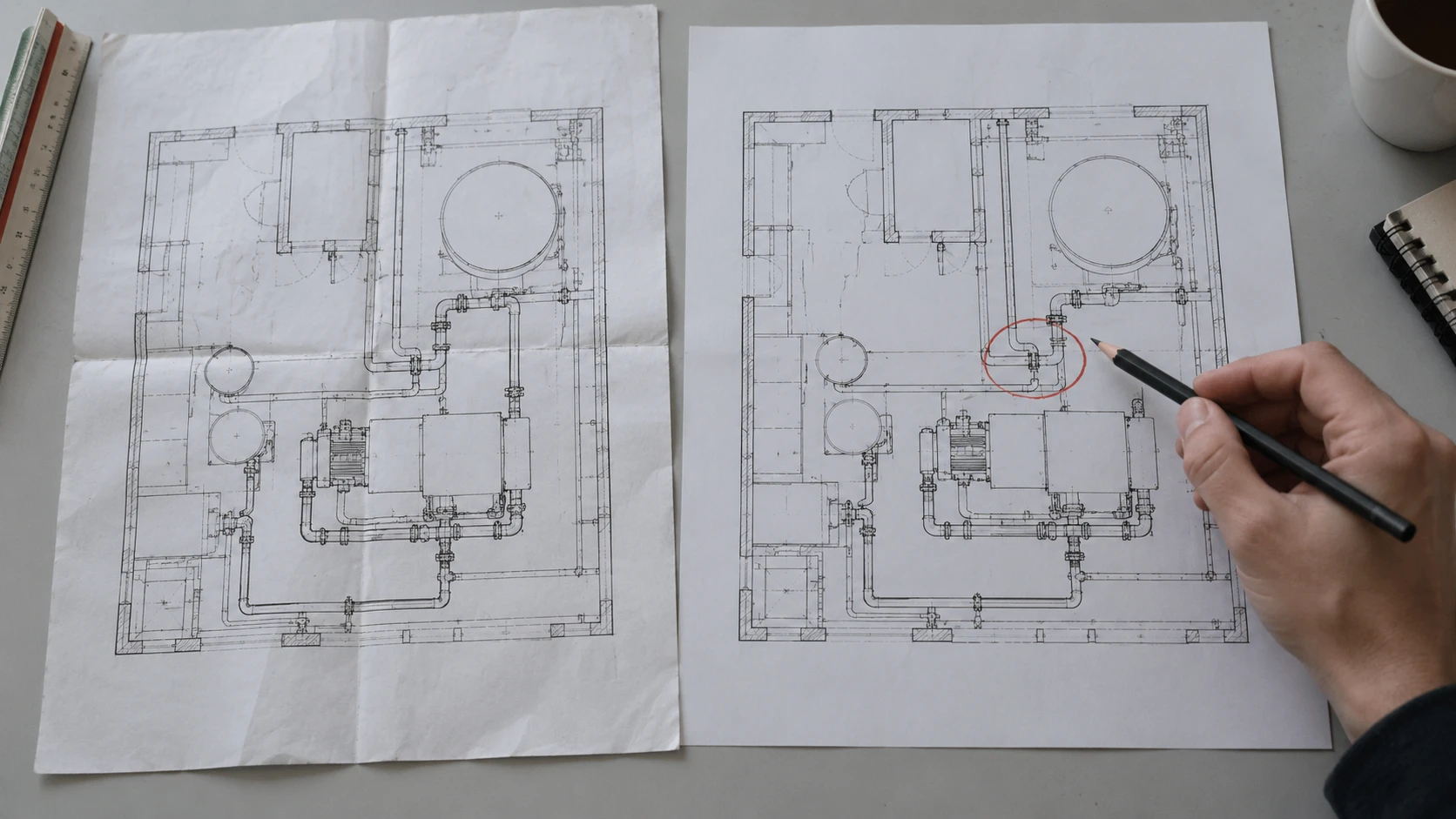
An assistant remembers that management approved an offer. Two weeks later, the supplier changes the price and the person who gave the approval is no longer responsible for that project. The conversation is still in the history. The situation it described has changed.
This small example explains why I think it matters to distinguish memory from context. Remembering what happened helps us understand a decision; working today requires knowing which parts of it are still valid.
Better memory solves only part of the problem
An AI’s memory can retain conversations, organize facts and track processes. Reducing it to a chat history would be a very limited view. Research such as LongMemEval-V2 specifically studies state tracking and accumulated experience across tasks.
A useful memory can recall that a customer rejected a proposal, the reason they gave and the alternative prepared afterward. That avoids repeating work. The difficulty begins when the system uses a memory as if it automatically described the present.
In a company, validity often depends on something outside the conversation: a signed contract, a correction, a change in responsibility or a new commercial term.
The same figure can mean different things
A consumption figure of 12,000 kWh might be a monthly measurement, an estimate or a figure for another facility with a similar name. The number alone cannot tell us which. It needs to be linked to the supply point, the period and its source.
The same applies to an approval. It may cover a maximum amount, a specific facility or a particular offer. If one of those conditions changes, the scope of the approval needs to be reviewed.
I use “authorized reality” for the information an organization recognizes as a basis for work and the conditions under which it may be used. It makes explicit what is accepted, where it comes from and who is responsible for deciding how it can be used.
Uncertainty is part of the context too
Companies often work with incomplete information. Two measurements may conflict, or a consumption forecast may still need confirmation. The system should allow work to continue without erasing that difference.
If I use an estimate to compare options, I want to see its assumption and understand how much the conclusion depends on it. If a bill is corrected, I want to update the current analysis and still be able to reconstruct the one made with the earlier information.
Keeping both moments helps evaluate a decision fairly. Information learned later can improve the calculation, but it does not change what the person knew when they made the decision.
Context is tested when something changes
To see whether an assistant understands this distinction, I would give it an expired contract, a revised offer and a withdrawn authorization. I would observe whether it detects the change and explains which part of the work needs review.
An appropriate response might be to recalculate, ask for confirmation of a fact or leave a contract unsigned. Its usefulness lies in choosing the next step according to the real situation.
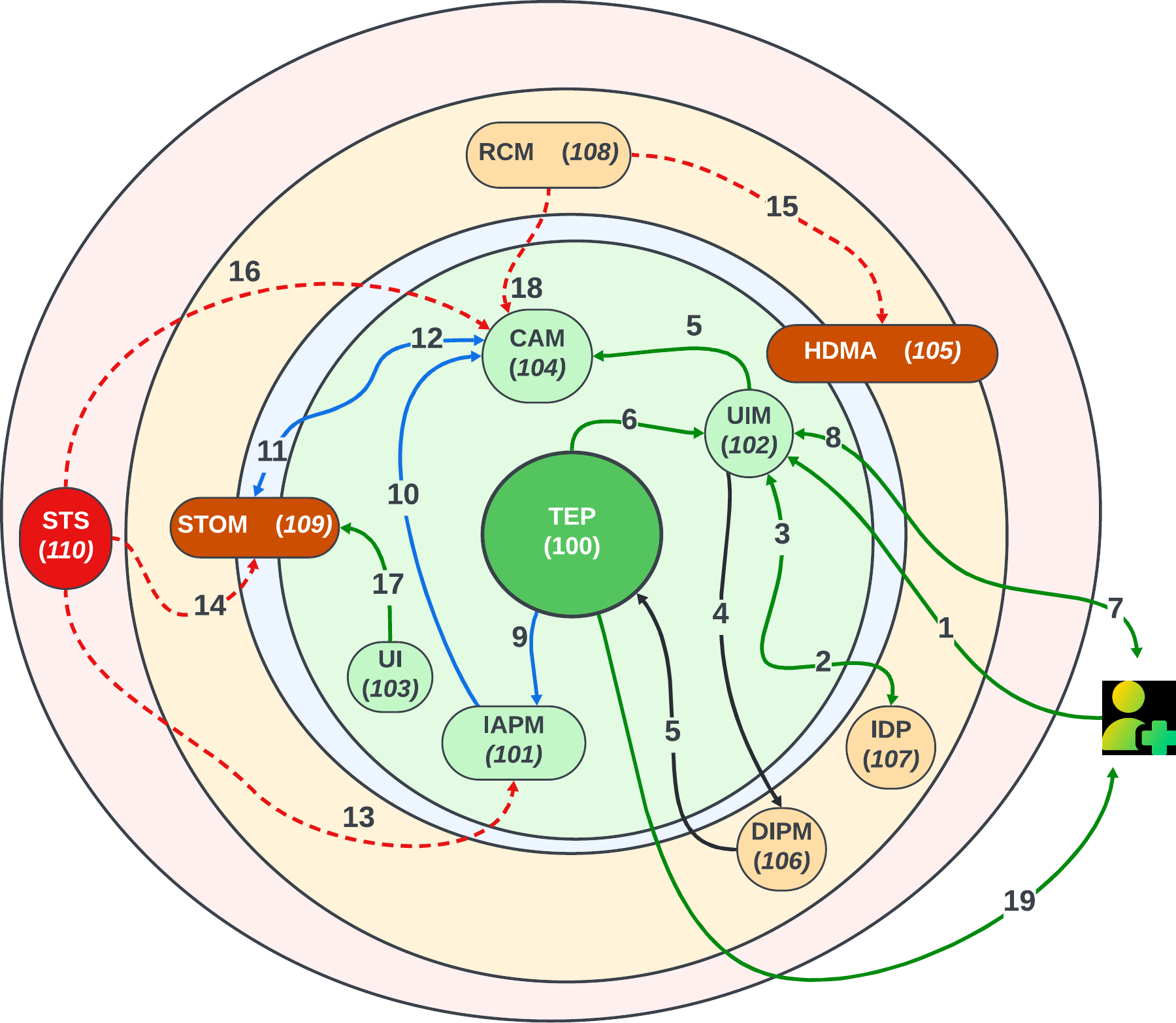
This is one of the ideas guiding TheryOS: AI should work with context that the company can recognize and maintain. Memory provides continuity; current sources and conditions make it possible to decide what to do with what is remembered.
Related reading
References
Alejandro Díaz
Founder of TheryOS, business owner and entrepreneur in the energy and financial sectors.