A company’s knowledge should survive a change of AI
Changing AI providers should not mean losing the reasons, agreements and relationships a company has built. Here is how to check that this knowledge remains usable.
When changing technology providers, a company usually reviews costs, features and timelines. I would add another question: how much of what it has learned will still be available after the change?
As AI is used, comparisons, reasons for rejecting an investment, contract exceptions and working criteria accumulate. This knowledge matters to the organization, even if it stops using the model that helped produce it.
Documents do not tell the whole story
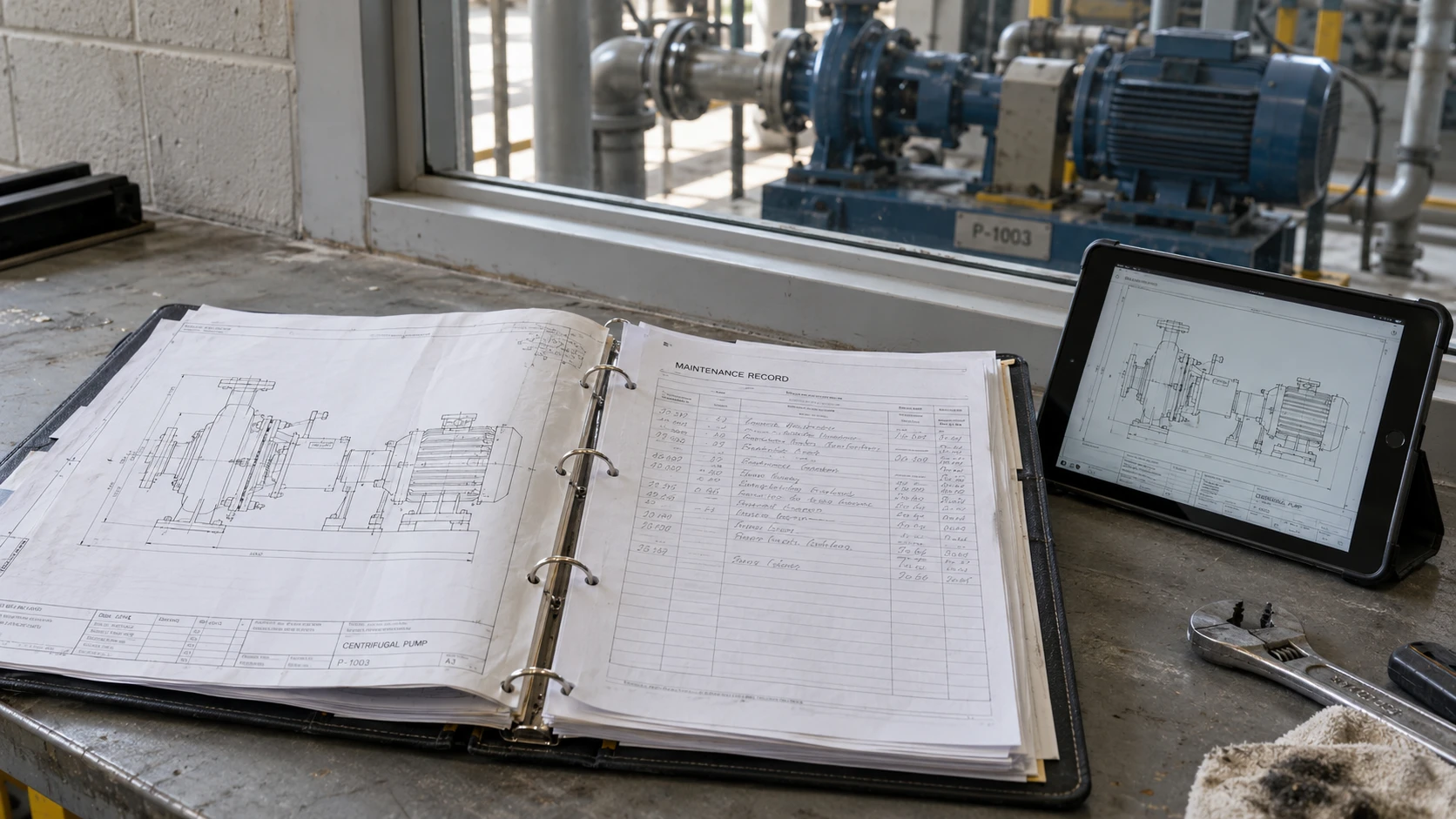
Imagine a company that postponed replacing a pump. It keeps the drawing, breakdown history and quotes it received. When it brings in another assistant, it has to explain again why it decided to repair the equipment and what conditions would justify replacing it.
The files are complete, but the relationships are trapped in conversations. Reconstructing them takes time and can introduce mistakes: an old estimate may be treated as a current quote, or a replacement that was only considered may appear to have been carried out.
A shared representation must preserve both information and meaning. It matters where a figure came from, which asset it refers to and what role it played in the decision.
Being able to change tools has business value
Models evolve. It may make sense to use one for interpreting documents and another for preparing an analysis. The company has more room to choose when those technology decisions do not force it to rebuild its knowledge.
That is why, when assessing a solution, I would also look at how data, relationships and decisions can be retrieved. Downloading a history is useful; reusing it requires another tool to recognize what matters.
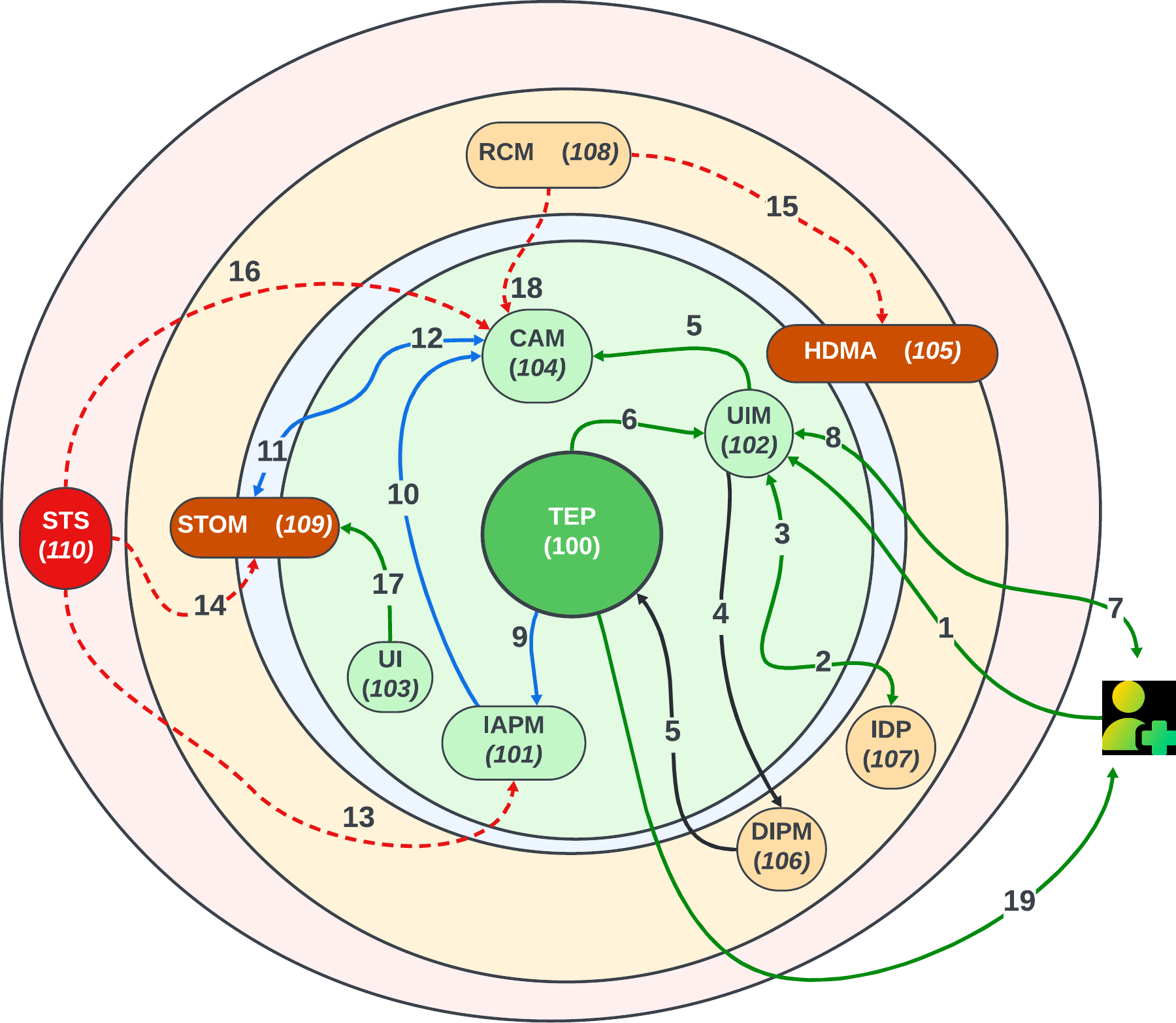
Semantic schemas offer a useful precedent. Brick, for example, describes building equipment and relationships through a shared vocabulary. In an organization, that work needs to extend to the agreements and criteria that explain how it operates.
A simple test before migrating
I would choose a task that has already been worked through: a tariff comparison with an offer awaiting approval. I would give its information to another tool and check whether it identifies the same supply point, uses the same data and understands where the decision stands.
The wording can change. What should remain is the basis of the analysis: facts, assumptions, calculations and alternatives. The reason something is still pending should remain too.
This test can reveal losses hidden by an export that looks correct. A value may be preserved without its unit; a date may remain without saying whether it belongs to the bill or the offer. Details like these change the result.
Keeping knowledge means being able to correct it
Information also gets old. A bill is corrected, a contract expires or a criterion no longer applies. The company needs to update what it uses today while preserving the history needed to understand what happened.
Moving to another tool must also respect access and usage rights. Having a document available does not mean everyone may consult it or use it for another purpose.
This idea is behind my work with TheryOS: helping an organization retain a knowledge foundation on which different tools can operate. A model contributes capabilities at a given moment; the company keeps the reasons and context behind its decisions.
Related reading
References
Alejandro Díaz
Founder of TheryOS, business owner and entrepreneur in the energy and financial sectors.