Every decision leaves knowledge: how a company learns
An improvement after a decision can have several causes. I explain how to preserve the expectation, understand what was actually done and turn experience into a…
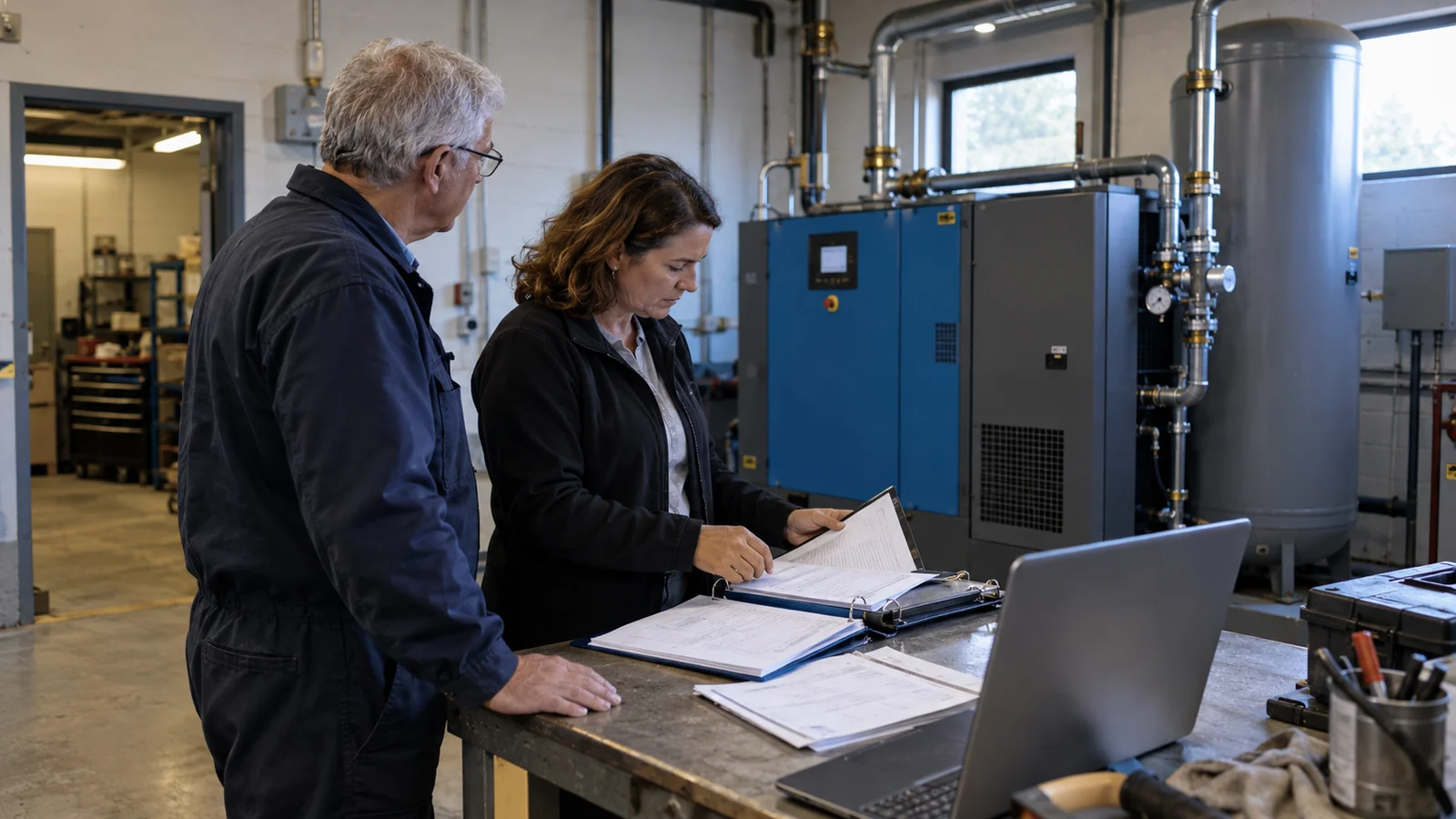
A company replaces a piece of equipment and its consumption falls the following month. The result invites us to celebrate the decision. But production hours also decreased. To understand how much the equipment contributed, we need to look beyond the latest bill.
This distinction matters to me because it determines what an organization learns from experience. If it attributes the entire improvement to the investment, it may repeat it where it is not worthwhile. If it understands the effects, it has a more useful basis for deciding next time.
Record the expectation before seeing the result
Before changing the equipment, I would make clear what reduction in consumption was expected, at what production rate and cost. I would also specify which conditions should remain unchanged: capacity, continuity of service or product quality.
Recording that expectation makes it possible to compare it with the outcome without rewriting the story to fit what happened. If the explanation is written afterward, it is easy to present as obvious something that was uncertain when the decision was made.
A forecast can be wrong and still be useful. The gap between what was expected and what was observed helps identify an assumption that deserves review.
Look at what was actually done
The installed equipment may differ from the proposal. Commissioning may be delayed. The schedule may change. These differences explain part of the outcome and should be distinguished from an error in the original decision.
In energy, I would compare consumption while accounting for activity and operating conditions. In a marketing campaign, I would also look at how demand changes. In a financial investment, I would separate the effect of the choice from the broader market movement as far as possible.
Sometimes there will not be enough data to isolate the causes. Acknowledging that helps improve the next observation: record operating hours, retain a comparable reference or study a longer period.
What can change through learning
Experience can improve a forecast. If a machine consumes more than estimated, the model used to anticipate its demand can be adjusted. A process can improve too: ask for operating hours before recommending another investment.
These are specific changes with different consequences. A new estimate changes the analysis; a new procedure changes how people work. Changing the approval limits for an investment also requires a decision by the people responsible.
AI can help bring results together, spot differences and suggest explanations. It is especially useful when it can reveal patterns that would be costly to review manually. The next step is to check which explanation fits the facts.
The next decision tests what was learned
An improved criterion should help with later cases. Testing it only on the experience that produced it can be misleading: we already know that outcome.
I would study new cases against a reference set in advance. I would see whether the forecast or decision improves, what it costs to apply and in which situations it stops being useful. Before intervening in an operation, a simulation or parallel trial can help reveal problems.
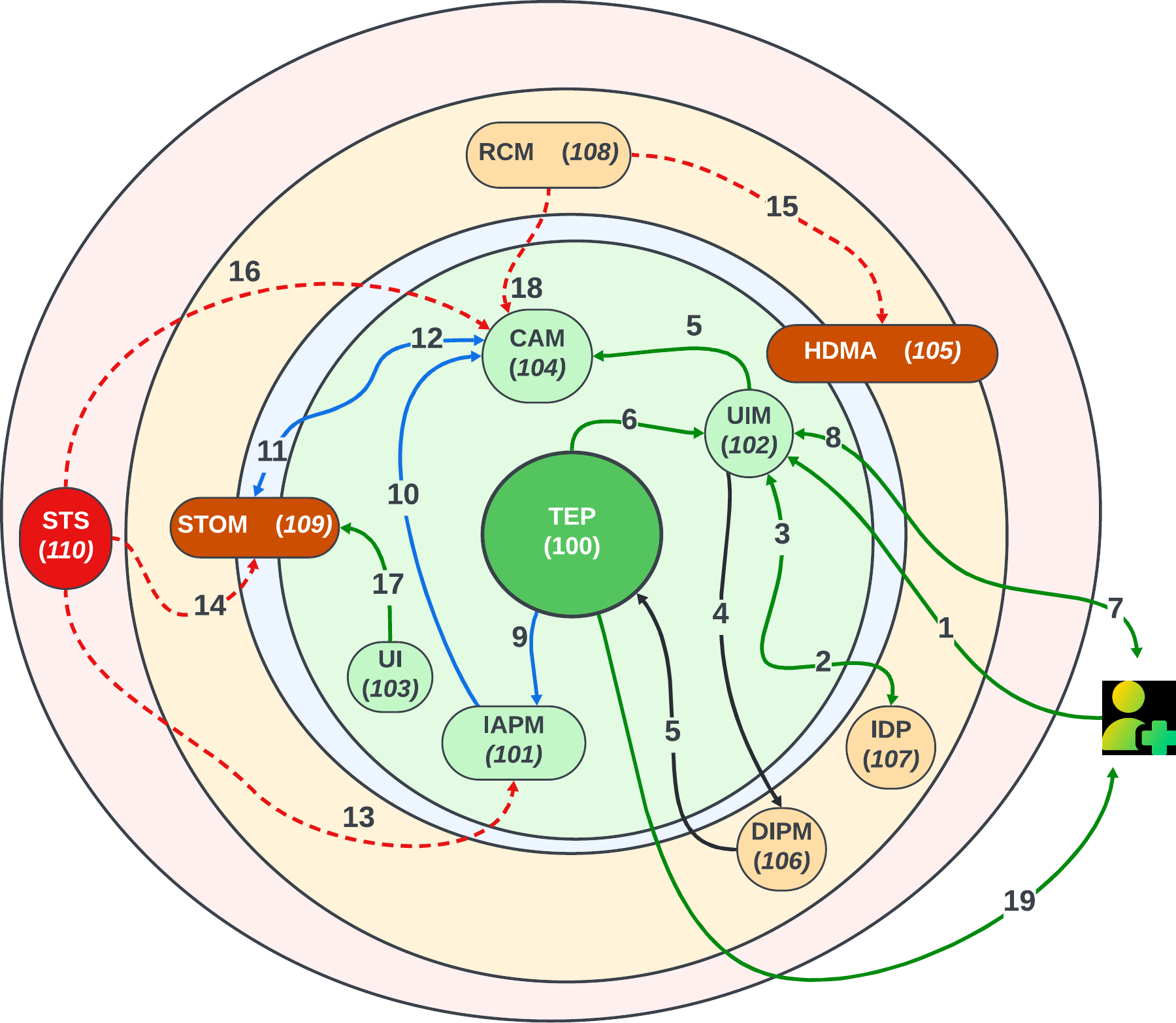
The connection between knowledge and decisions I want to develop works like this: preserve what was expected, understand what happened and use the difference to make a better decision. An experience adds value when it leaves a criterion that other people can understand and test.
Related reading
References
Alejandro Díaz
Founder of TheryOS, business owner and entrepreneur in the energy and financial sectors.